
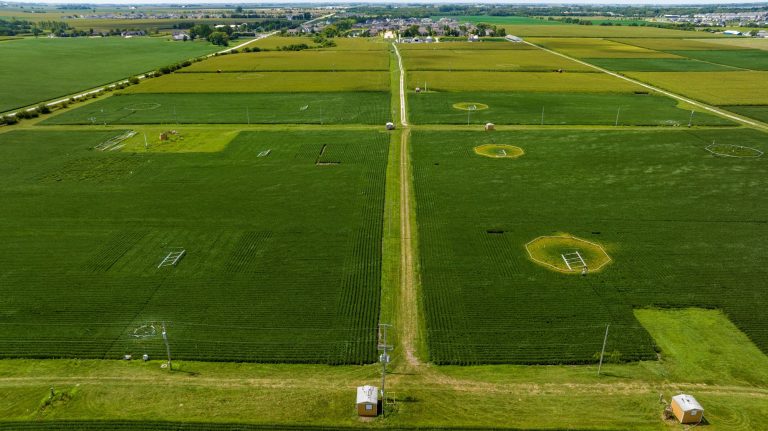
Illinois, USA
A new AgNUE supersite in the heart of highly productive U.S. maize–soybean systems.

Status:
New complete supersite

Lead institution: University of Illinois

Soil type:
Mollisol

Supersite lead:
Wendy Yang
Why the supersite?
The Illinois supersite will help AgNUE study mitigation of nitrogen losses from the highly productive maize-soybean systems of the US Midwest. Located in central Illinois, the site represents fertile Mollisol soils under a humid continental climate in a region where much of the agricultural landscape is tile-drained. Nitrogen is commonly supplied as UAN or anhydrous ammonia, with spring, fall and split applications all used in the region. The site is particularly relevant for comparing fertiliser timing and placement, enhanced-efficiency fertilisers and emerging mitigation options under intensive Corn Belt conditions.
What this site helps AgNUE compare
This site gives AgNUE a setting to compare nitrogen management in one of the world’s most productive maize-soybean regions. Its fertile soils, extensive tile drainage and established fertiliser practices make it particularly relevant for assessing how nitrogen timing, placement and enhanced-efficiency approaches affect nitrogen losses, including nutrient transport through drainage, and for comparison with the North Carolina supersites.
Maize-soybean systems
Represents the highly productive maize-soybean production systems that dominate central Illinois and the US Corn Belt.
Fertile tile-drained soils
Provides a setting to study nitrogen dynamics in fertile soils where tile drainage can rapidly transport water and nutrients from fields.
Fertiliser timing and placement
Supports comparison of spring, fall and split nitrogen applications alongside improved fertiliser placement.
Cross-region mitigation
Uses mitigation options that overlap with North Carolina, supporting comparison of inhibitors, enhanced-efficiency fertilisers and emerging approaches across US regions.
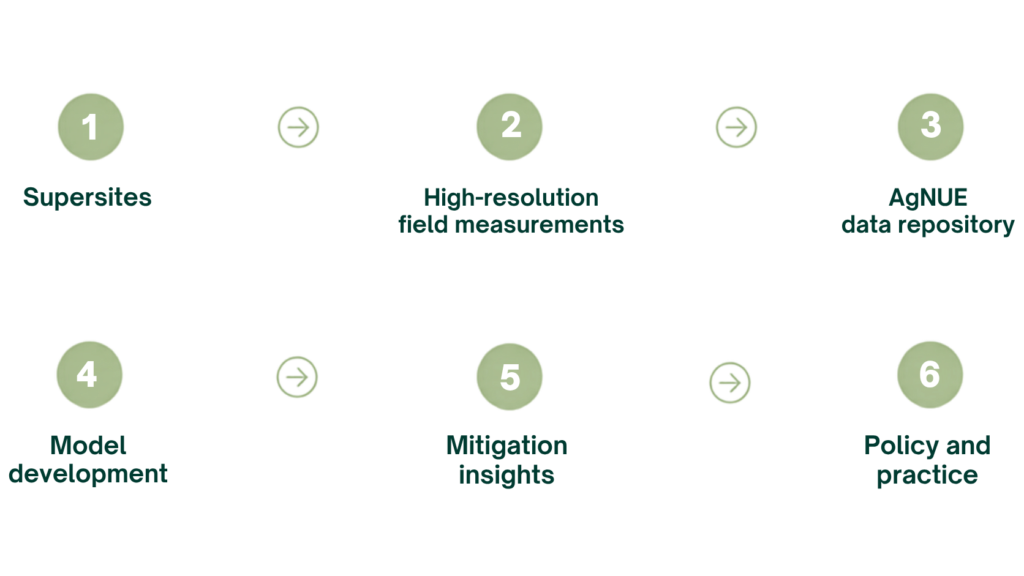
From supersites to impact
A shared pathway across the AgNUE platform.
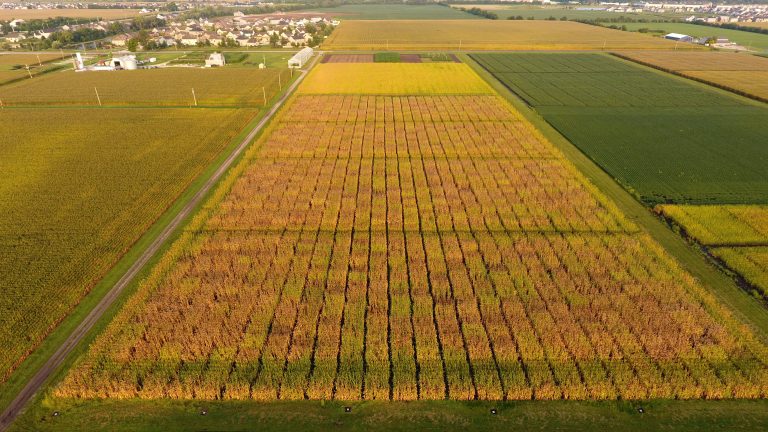
Explore images from the supersite
Dive into a selection of images revealing the agricultural landscapes and research activities at our Sinderhoeve supersite.
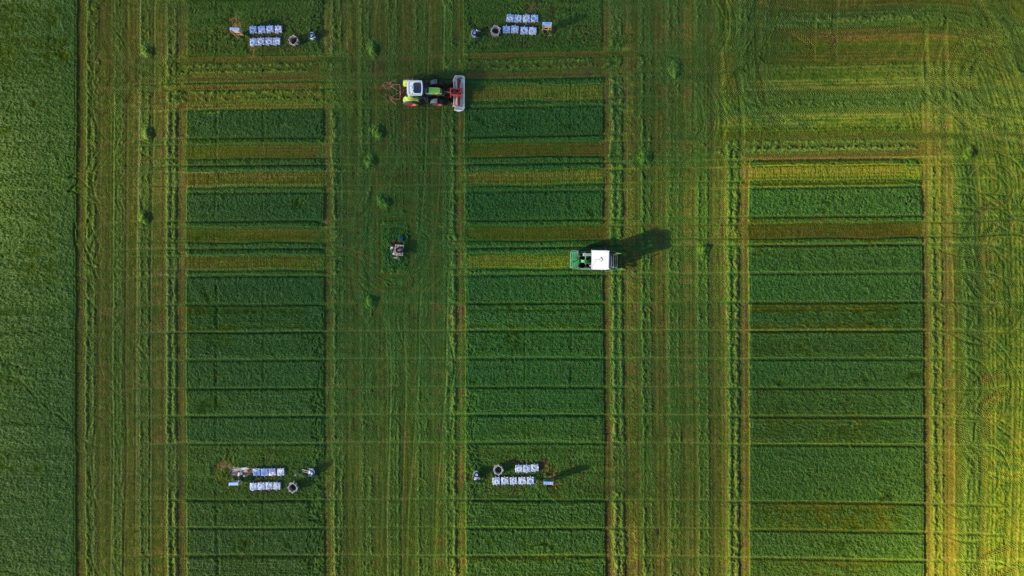
Discover our other supersites
There are 12 supersites connected to the AgNUE platform. Explore them here.