Our research and the researchers behind it
Read more about how AgNUE’s research in reducing uncertainties in nitrogen management will unfold – and meet the researchers behind the platform.
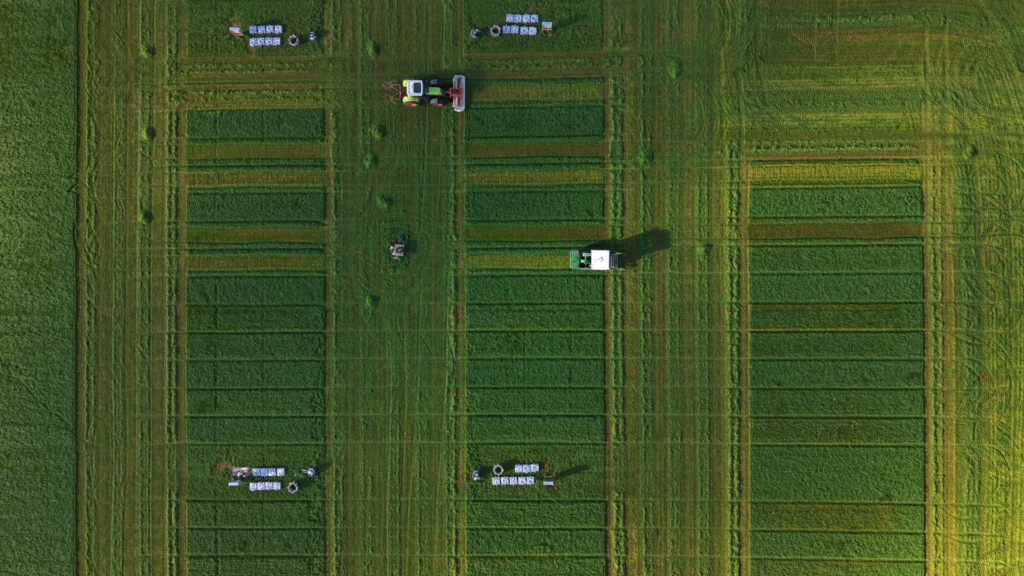
Photo: SmartField
Work packages (WPs)
The AgNUE platform will unfold through 6 work packages – WP1 through WP6. Here, you can see a generalised overview of what each WP will cover.

Supersites
Establish standardized supersites across diverse bioclimatic regions to quantify complete nitrogen budgets.
Focus:
Nitrogen fluxes
Nitrogen use efficiency
Regional mitigation comparisons
High-quality field measurements

Mechanistic Experiments
Conduct controlled experiments to better understand nitrogen dynamics that current models fail to capture.
Focus:
Mechanistic understanding
Isotope tracing
N2O isotopomer analysis
Microbial controls

Soil Microbiology
Investigate how microbial processes influence nitrogen use efficiency and emissions.
Focus:
Nitrogen loss pathways
Soil microbiomes
Microbial turnover

Supersite Data Repository
Build the data infrastructure supporting AgNUE.
Focus:
ICOS integration
Sensor data
Sample management
Metadata
Long-term storage

Modelling Hub
Develop improved nitrogen models.
Focus:
Calibration and validation
Process-based modelling
AI models
Ensemble modelling

Science Translation
Translate research into practical implementation.
Focus:
Capacity building
Policymaker engagement
Stakeholder collaboration
Training
Our Research Team
Meet the researchers driving our mission to enhance nitrogen use efficiency in the different project Work Packages.
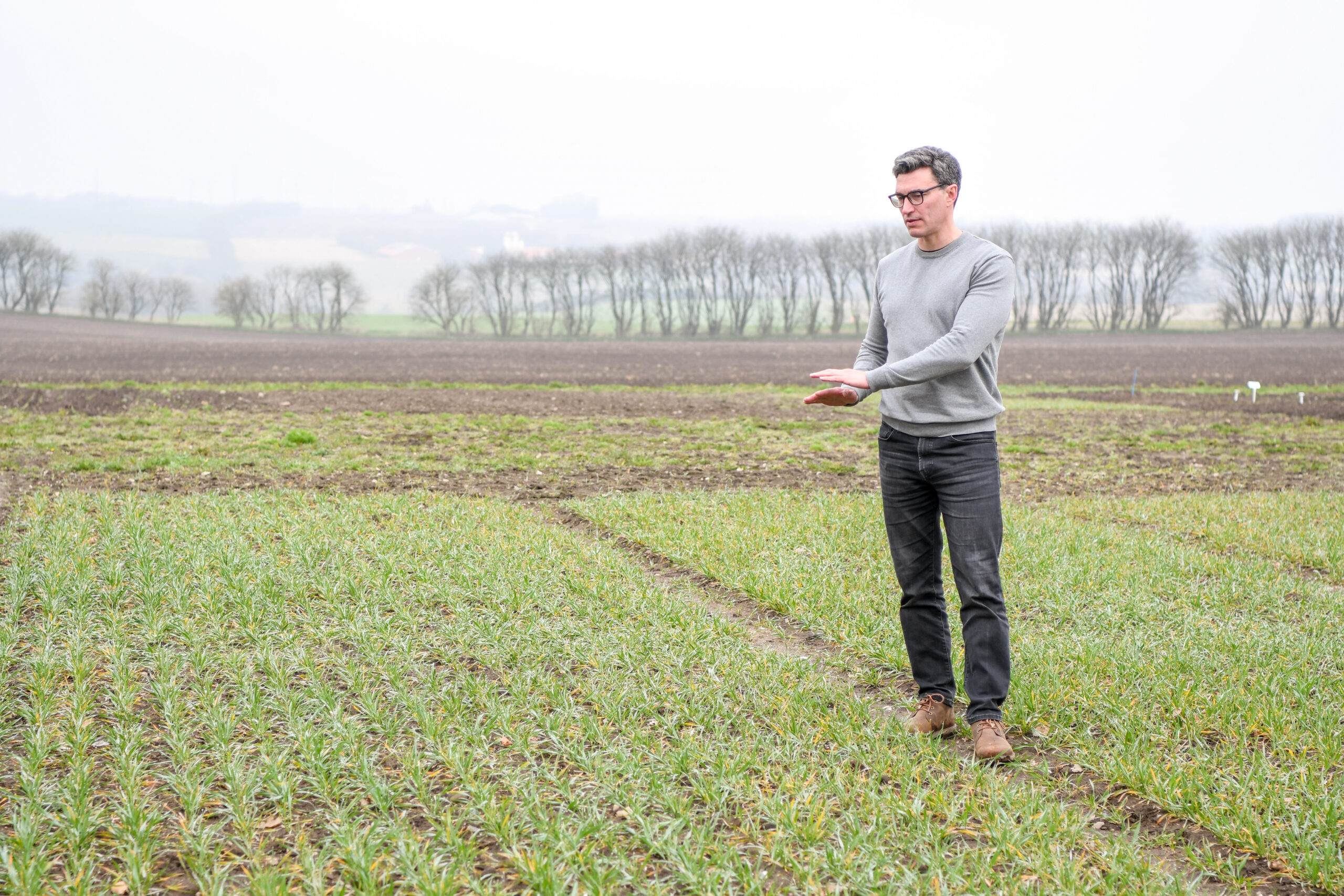
Diego Abalos
Principal Investigator
Aarhus University
Diego Abalos is a professor at Aarhus University, where he studies how agricultural systems can reduce environmental impacts while maintaining productivity through smarter nitrogen management and more sustainable farming practices.
Alex Woodley
Co-Principal Investigator
North Carolina State University
Alex Woodley is an associate professor at North Carolina State University, where he works to develop more biodiverse farming systems that retain nutrients efficiently while remaining productive and resilient in the face of global change.
Klaus Butterbach-Bahl
Co-Principal Investigator
LandCRAFT, Aarhus University
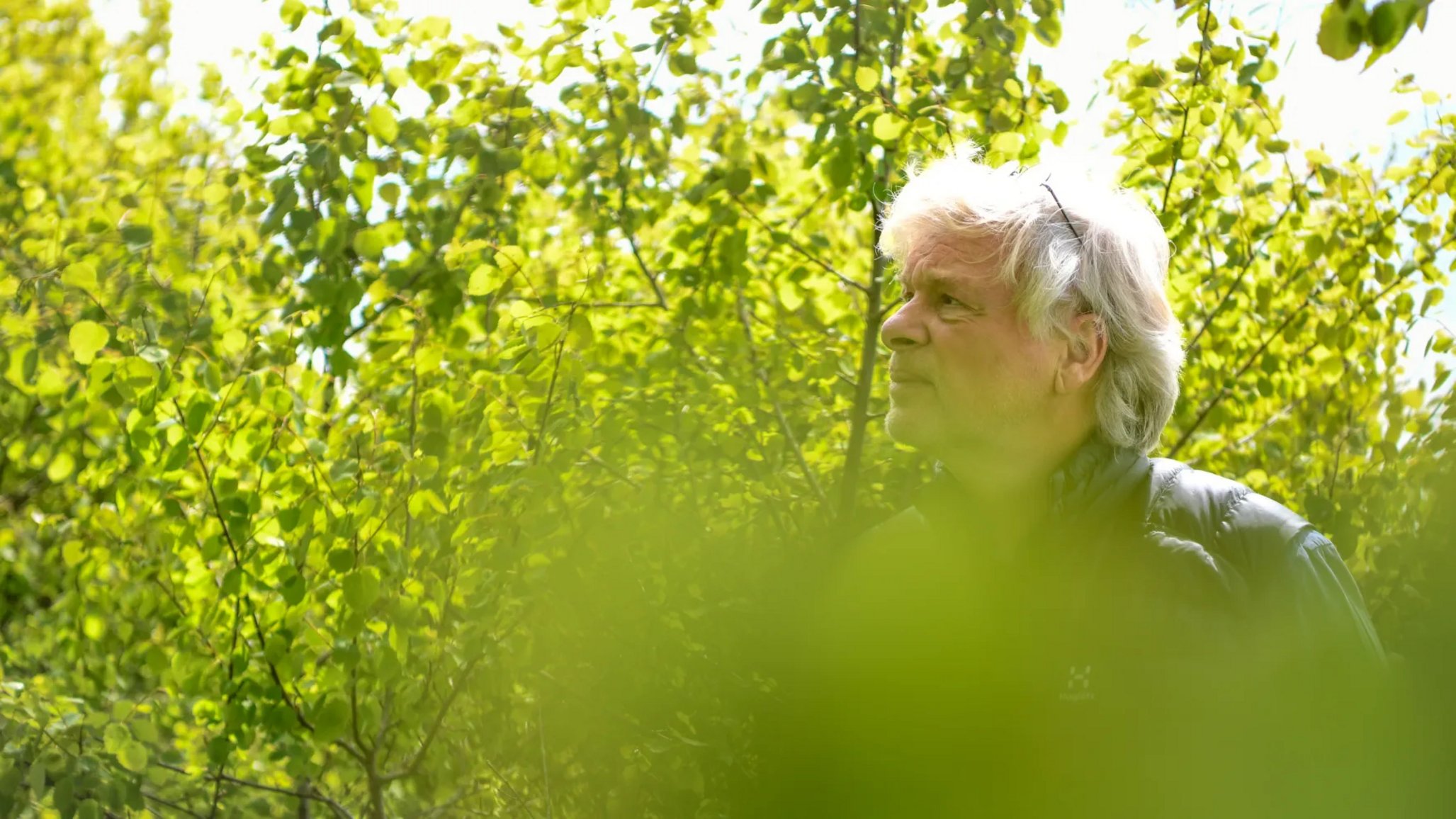
Klaus Butterbach-Bahl is a professor of agriculture and leads the research centre Land-CRAFT, where he and his colleagues work to advance more sustainable solutions for the future of agriculture.
Wendy Yang
Co-Lead, WP2
University of Illinois
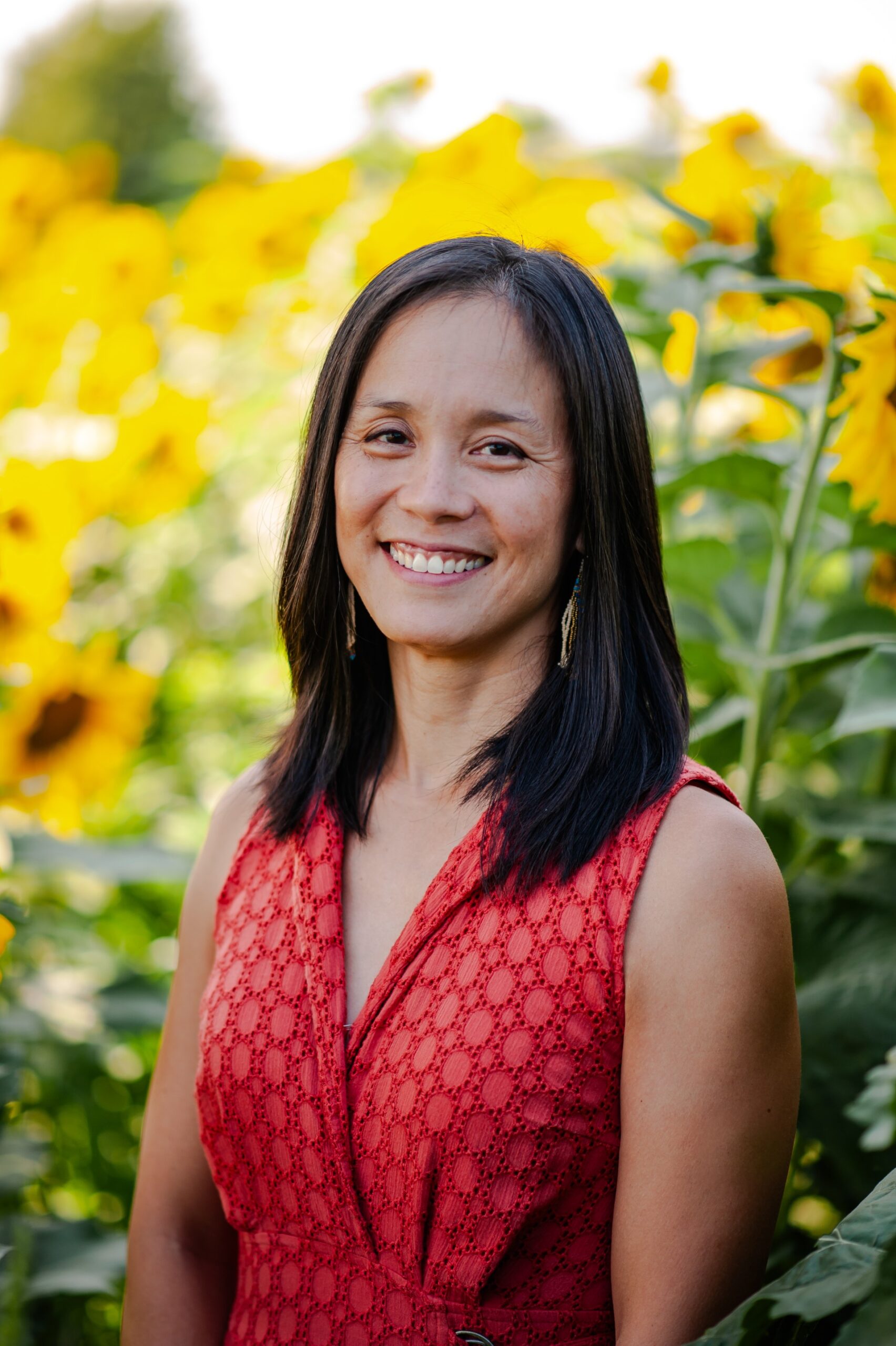
Wendy Yang is a professor at University of Illinois Urbana-Champaign, where she studies how human activities are changing how natural and managed ecosystems function and how ecosystem responses to global change can feedback to drive or slow future global change.
Kaiyu Guan
Co-Lead, Modelling
University of Illinois
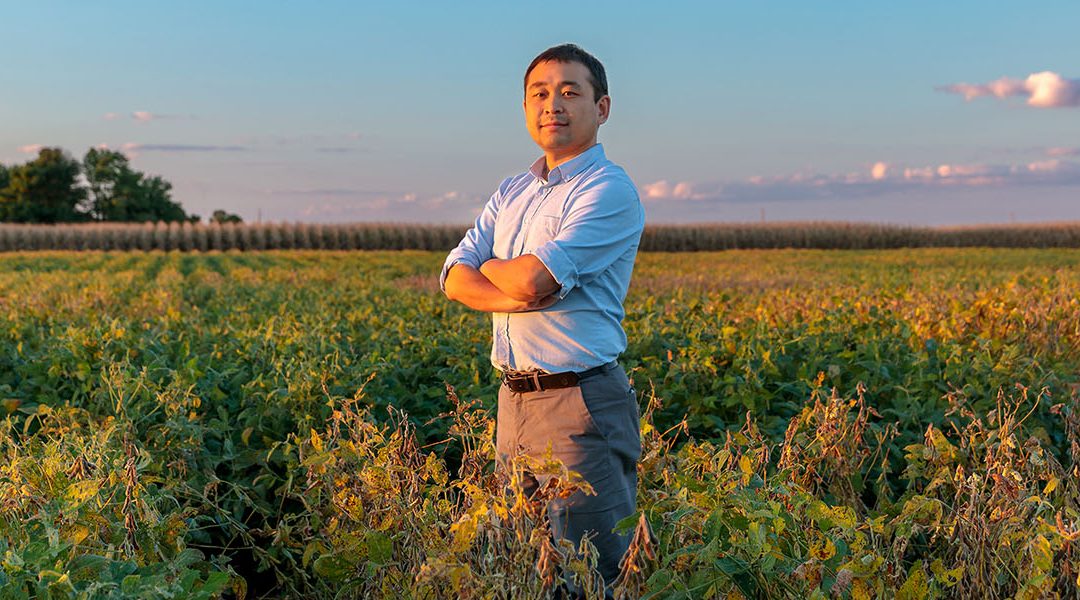
Kaiyu Guan is a professor at University of Illinois Urbana-Champaign, where he uses satellite technology, field research, modelling and artificial intelligence to understand how climate and farming practices affect crop productivity, environmental sustainability and global food security.
Gerard Velthof
Supersite Lead, Netherlands
Wageningen University & Research
Gerard Velthof is a senior researcher at Wageningen University & Research, where he studies nutrient and carbon management in agricultural soils, with a focus on reducing greenhouse gas emissions, nutrient losses and improving the sustainability of farming systems.
Daniele De Rosa
Lead, WP2
University of Basilicata
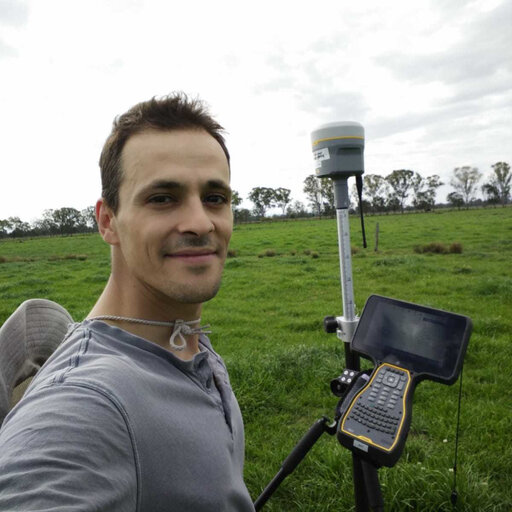
Daniele De Rosa is a senior researcher at University of Basilicata, where he focuses on sustainable agriculture, nutrient management and soil fertility, using field experimentation and data-driven approaches to improve productivity while reducing environmental impacts.
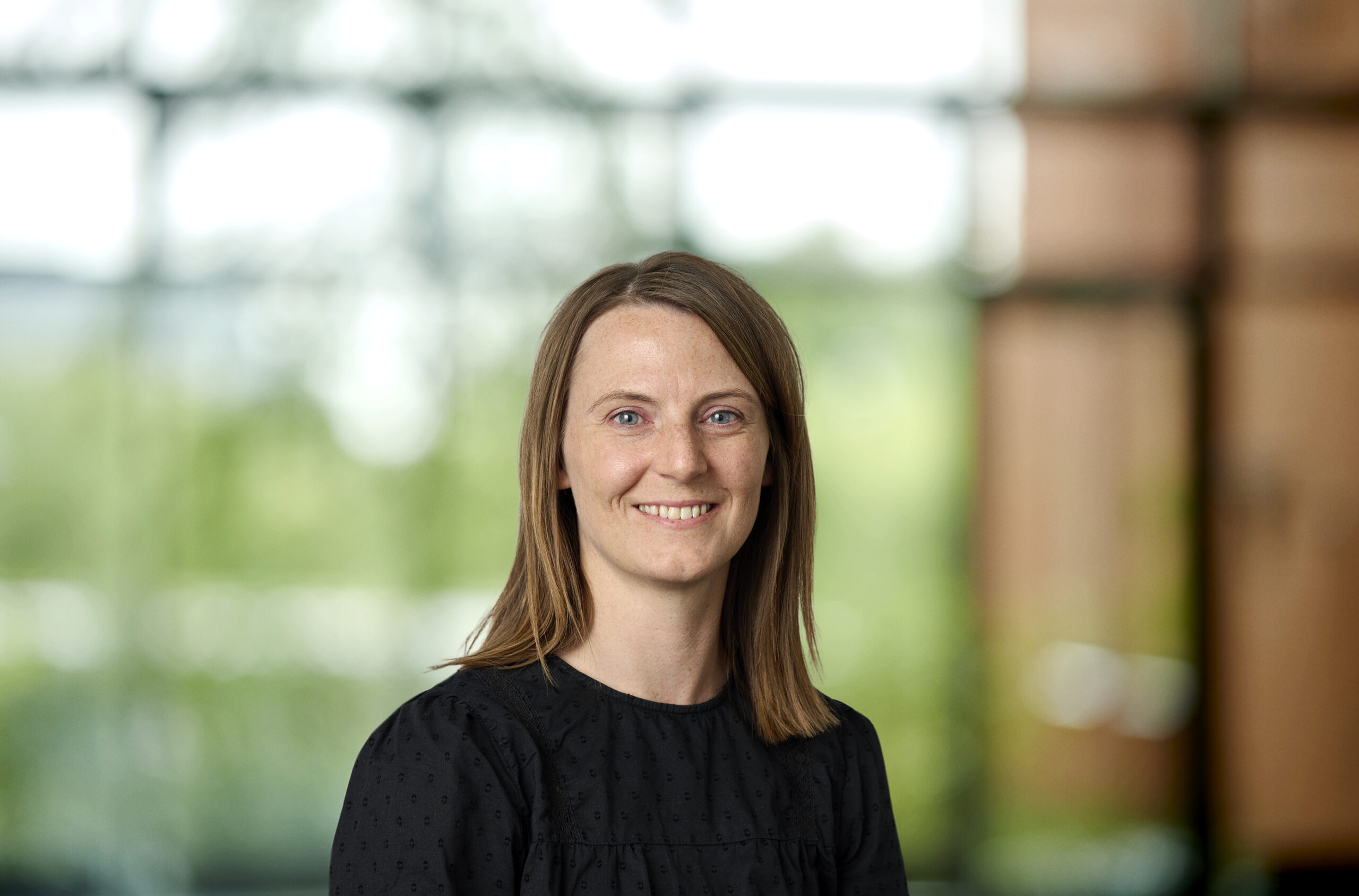
Ann Britt Vaerge
Project Director, Smarfield
Danish Technological Institute
Ann Britt Værge is Project Director for Smartfield at Danish Technological Institute, where she works to develop practical solutions that help farmers reduce greenhouse gas emissions and improve sustainability in agricultural production.
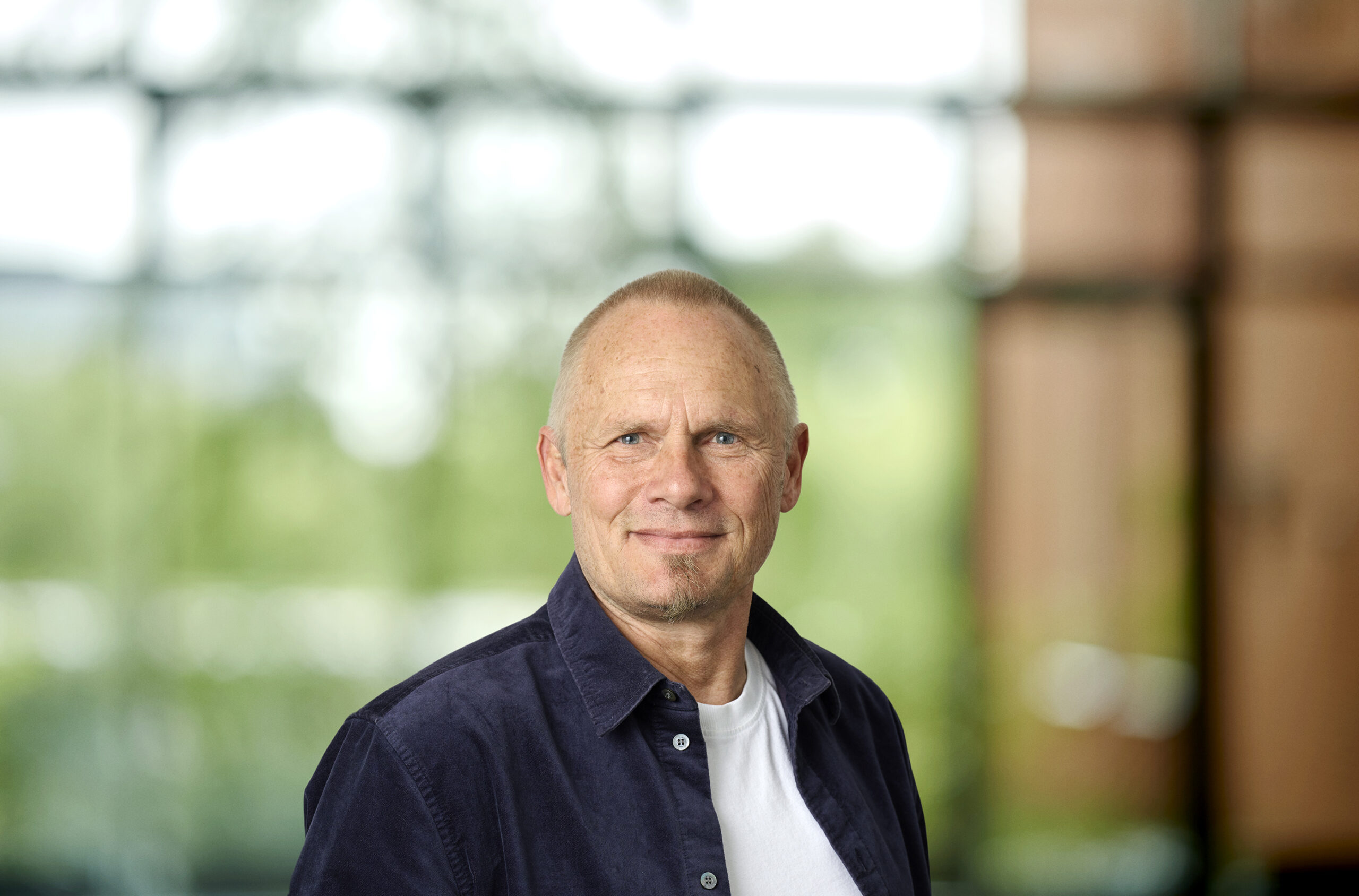
Bo Thiesson
Lead, WP4
Danish Technological Institute
Bo Thiesson is a researcher at Danish Technological Institute, where he works with artificial intelligence, modelling and agricultural data to develop smarter tools for reducing emissions and improving decision-making in more sustainable farming systems.
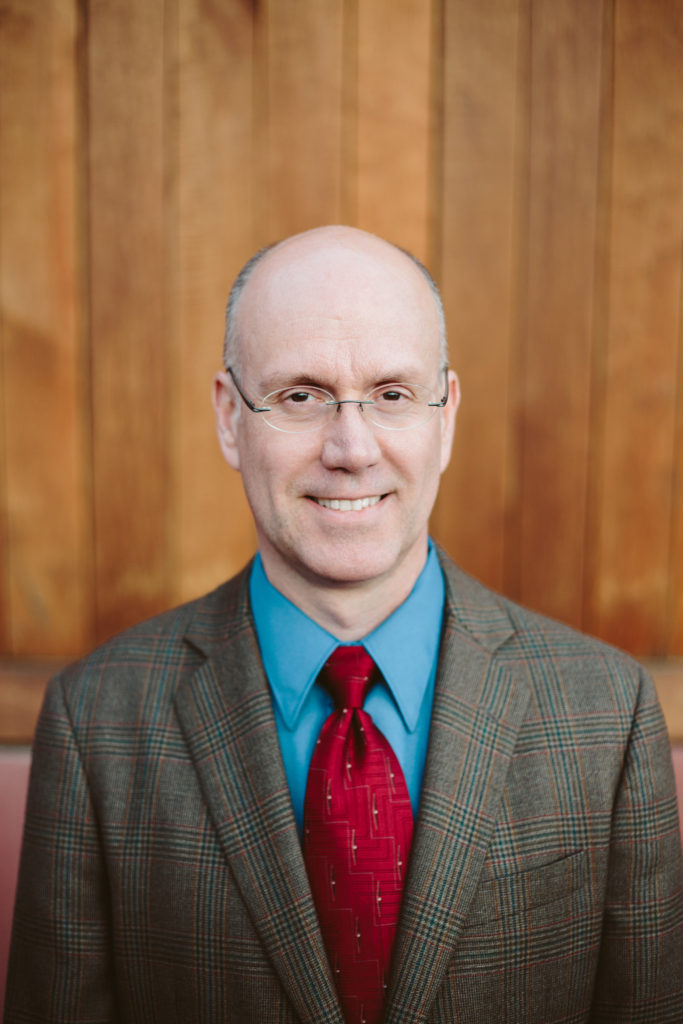
Stephen Ogle
Lead, WP5
Colorado State University
Stephen Ogle is a researcher at Colorado State University, where he focuses on how land use and agricultural management affect greenhouse gas emissions, helping improve national climate reporting and support more sustainable farming practices worldwide.
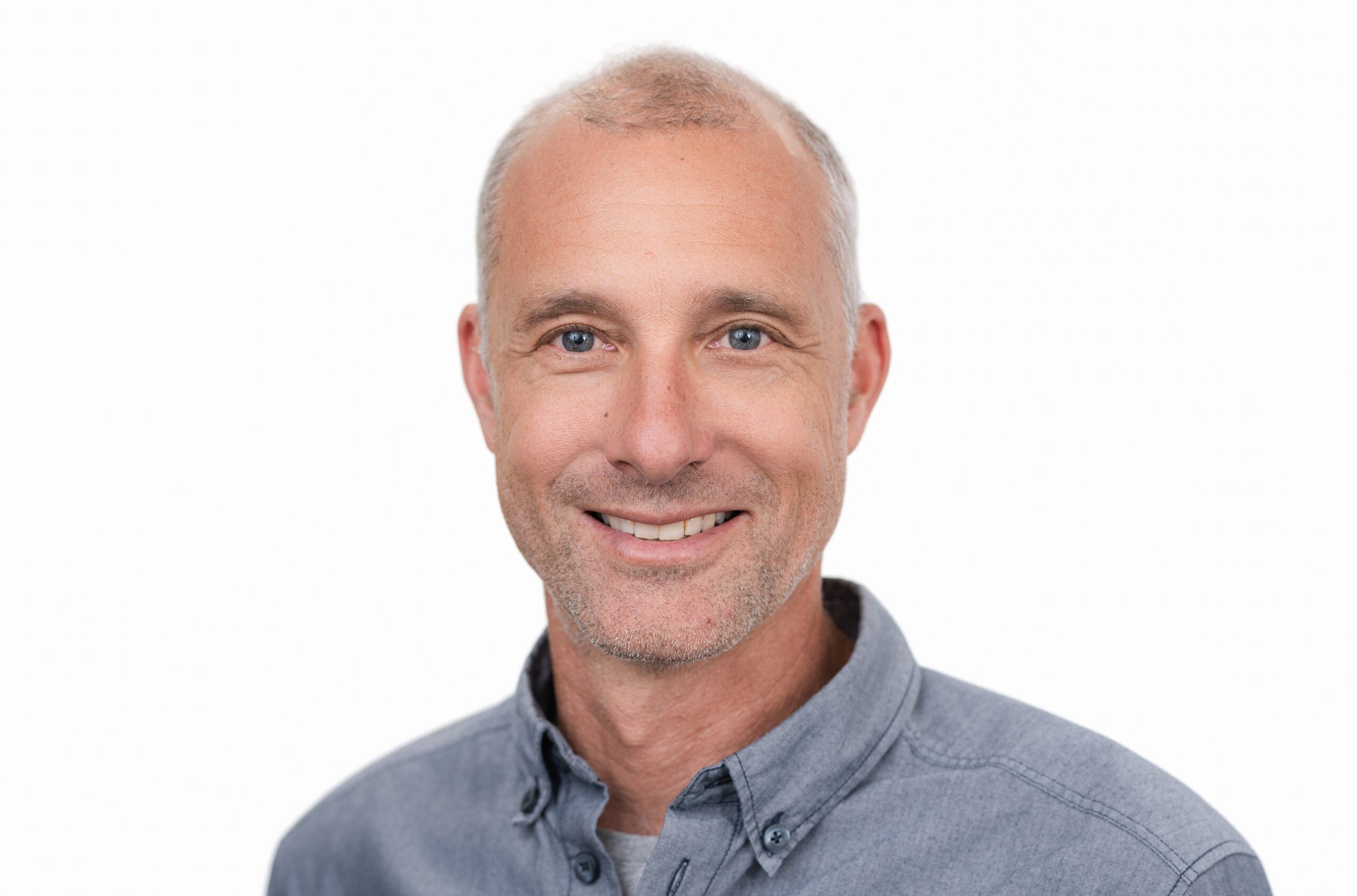
Ralf Kiese
Lead, WP1
Karlsruhe Institute of Technology
Ralf Kiese is a researcher at Karlsruhe Institute of Technology, where he studies carbon and nitrogen cycling in natural and agricultural ecosystems, with a focus on greenhouse gas fluxes and how environmental change affects land-atmosphere interactions.
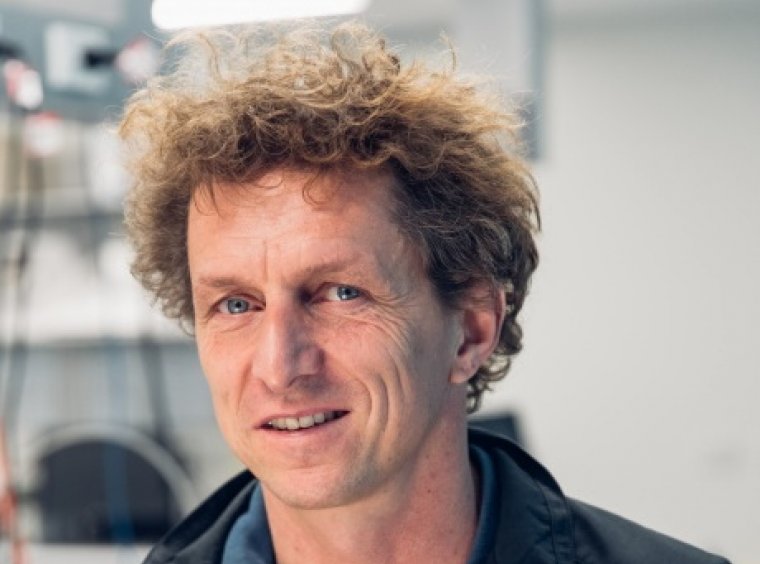
Clemens Scheer
Co-Lead, WP2
Karlsruhe Institute of Technology
Clemens Scheer is a researcher at Karlsruhe Institute of Technology, where he studies the links between food production, fertilizer use and climate change, with a focus on reducing emissions from agricultural soils through smarter, region-specific farming strategies.
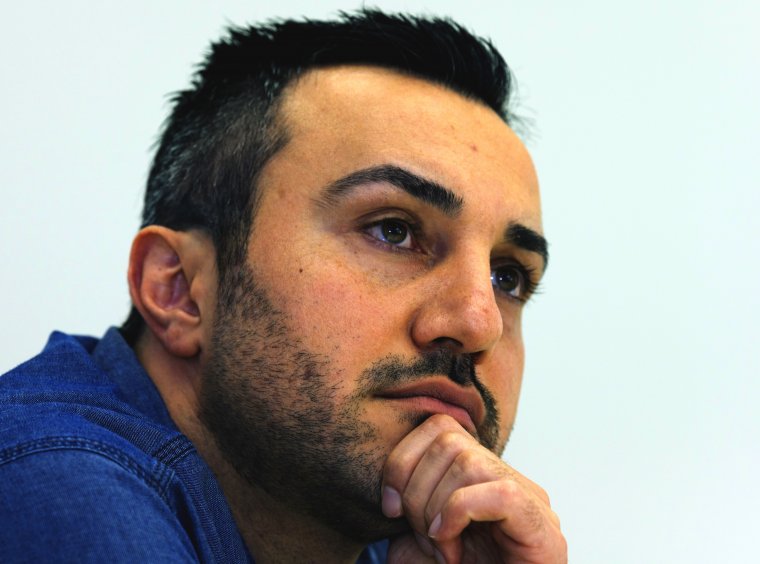
Postdoc Jaber Rahimi
Co-Lead, Model ensemble framework
Karlsruhe Institute of Technology
Jaber Rahimi is a researcher at Karlsruhe Institute of Technology, where he models cropping and livestock systems to better understand food security, resource use and the sustainability of agricultural systems under changing environmental conditions.
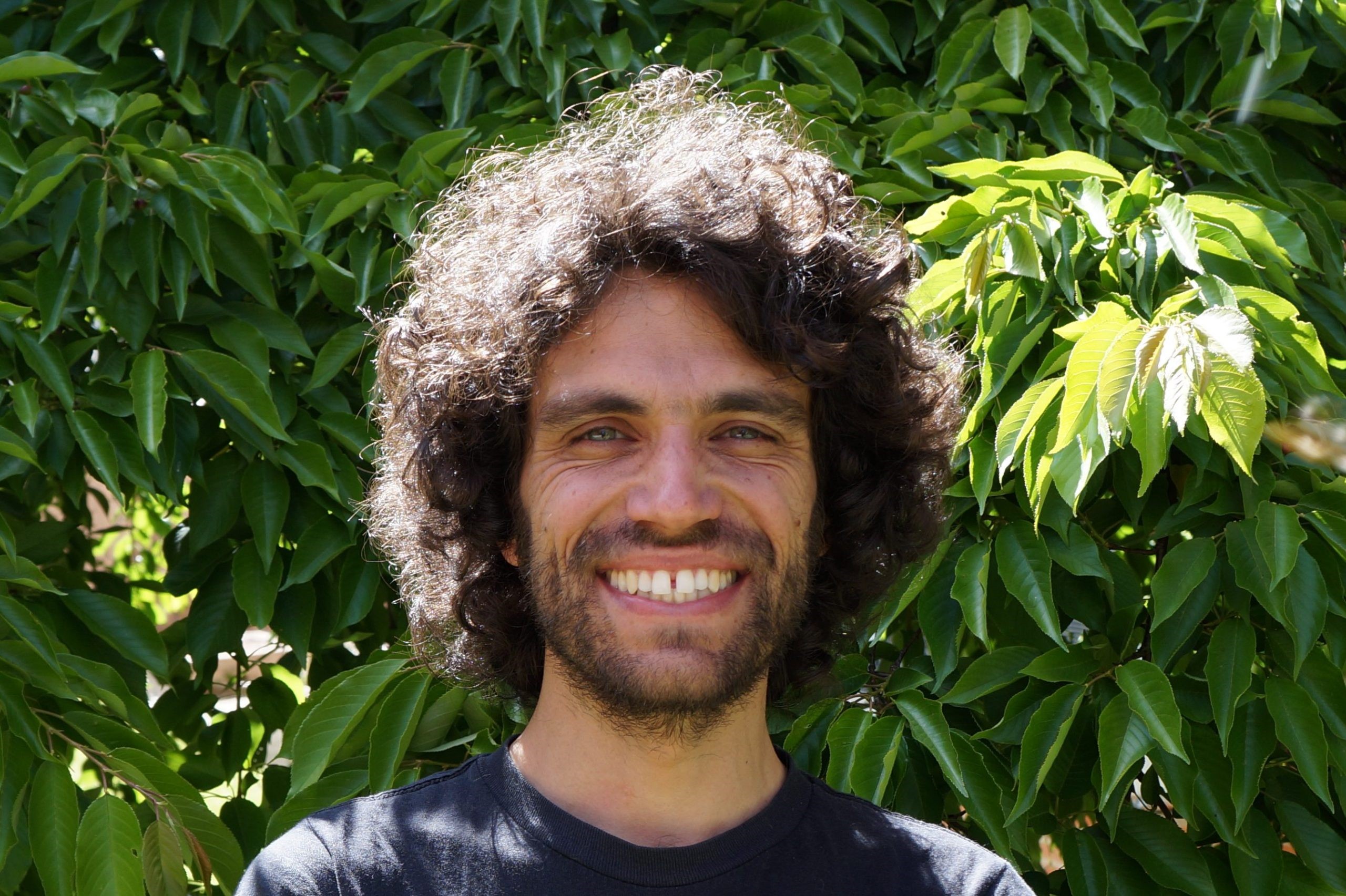
Alberto Sanz-Cobeña
Co-Lead, WP1
Technical University of Madrid
Alberto Sanz-Cobeña is a professor at Technical University of Madrid, where he studies how agriculture can reduce nitrogen losses and greenhouse gas emissions through field research, modelling and sustainable management strategies across agricultural systems.
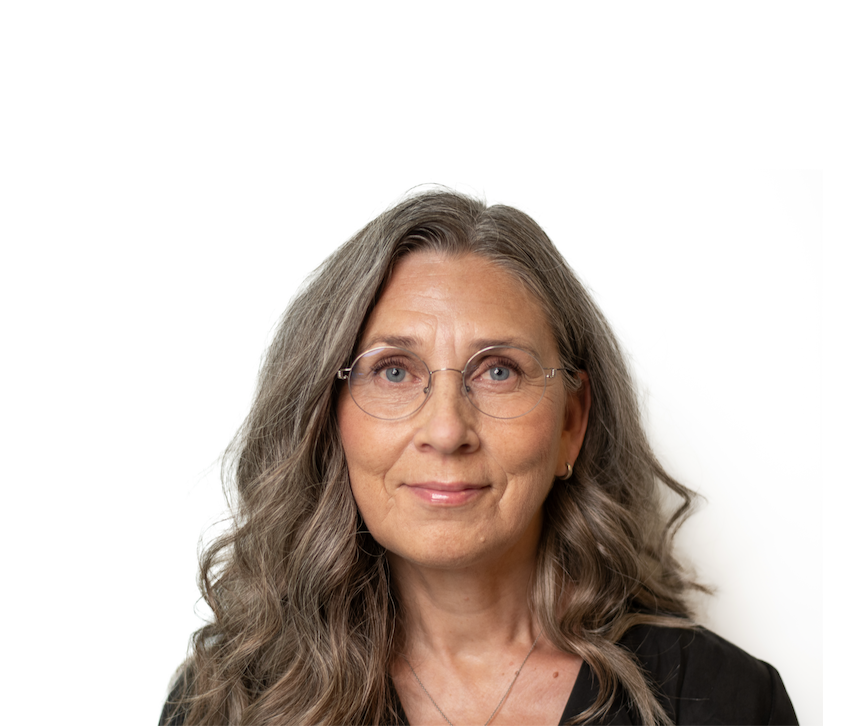
Sara Hallin
Lead, WP3
Swedish University of Agricultural Sciences
Sara Hallin is a professor at Swedish University of Agricultural Sciences, where she studies soil microbial communities involved in nitrogen cycling, with a focus on greenhouse gas emissions, nutrient losses and the role of microbes in more sustainable agricultural systems.
Photo: Cajsa Lithell
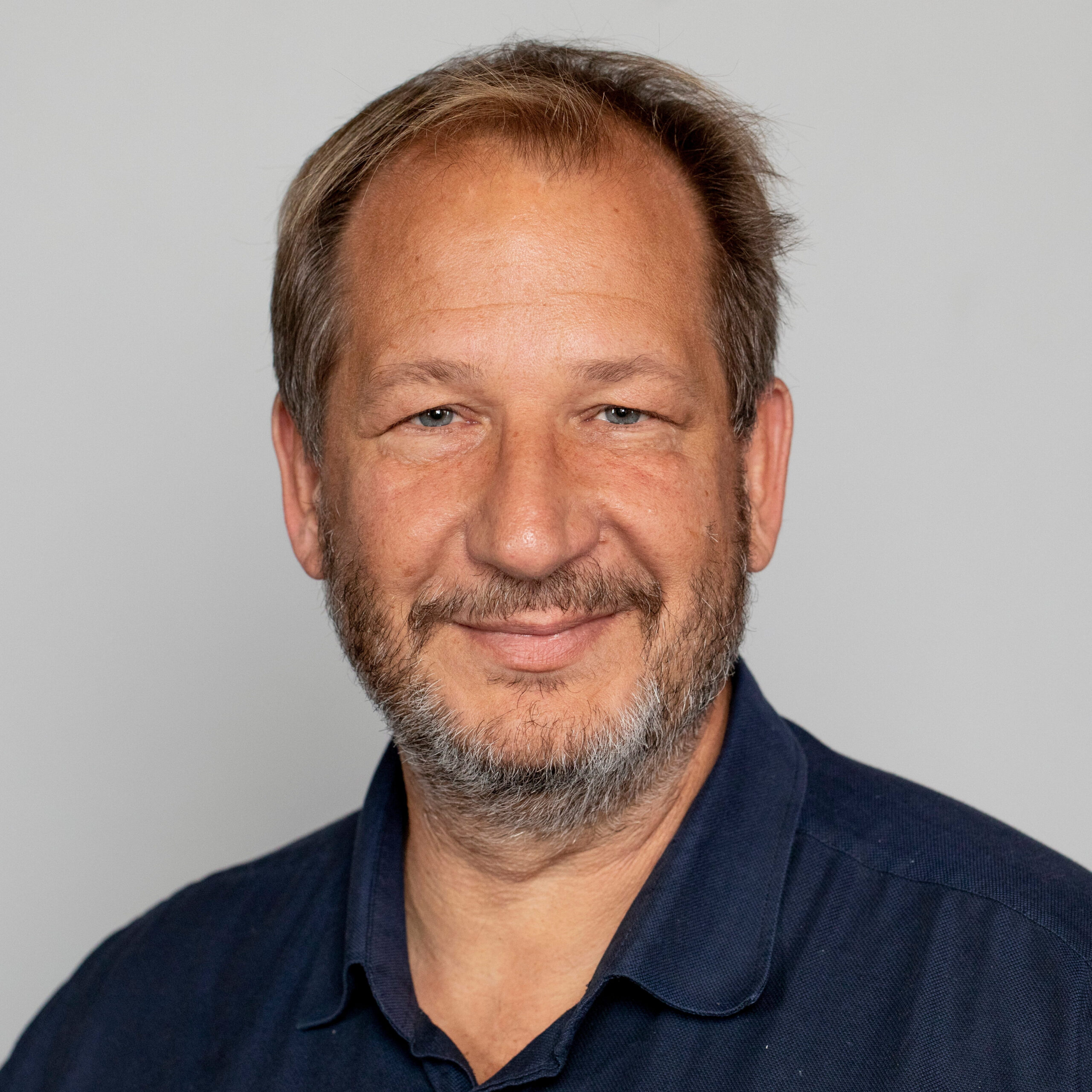
Peter Dörsch
Supersite Lead, Norway
Norwegian University of Life Sciences
Peter Dörsch is a professor at Norwegian University of Life Sciences, where he studies soil biogeochemistry and nitrogen cycling, with a focus on greenhouse gas emissions, microbial processes and nutrient dynamics in agricultural ecosystems.
Photo: NMBU
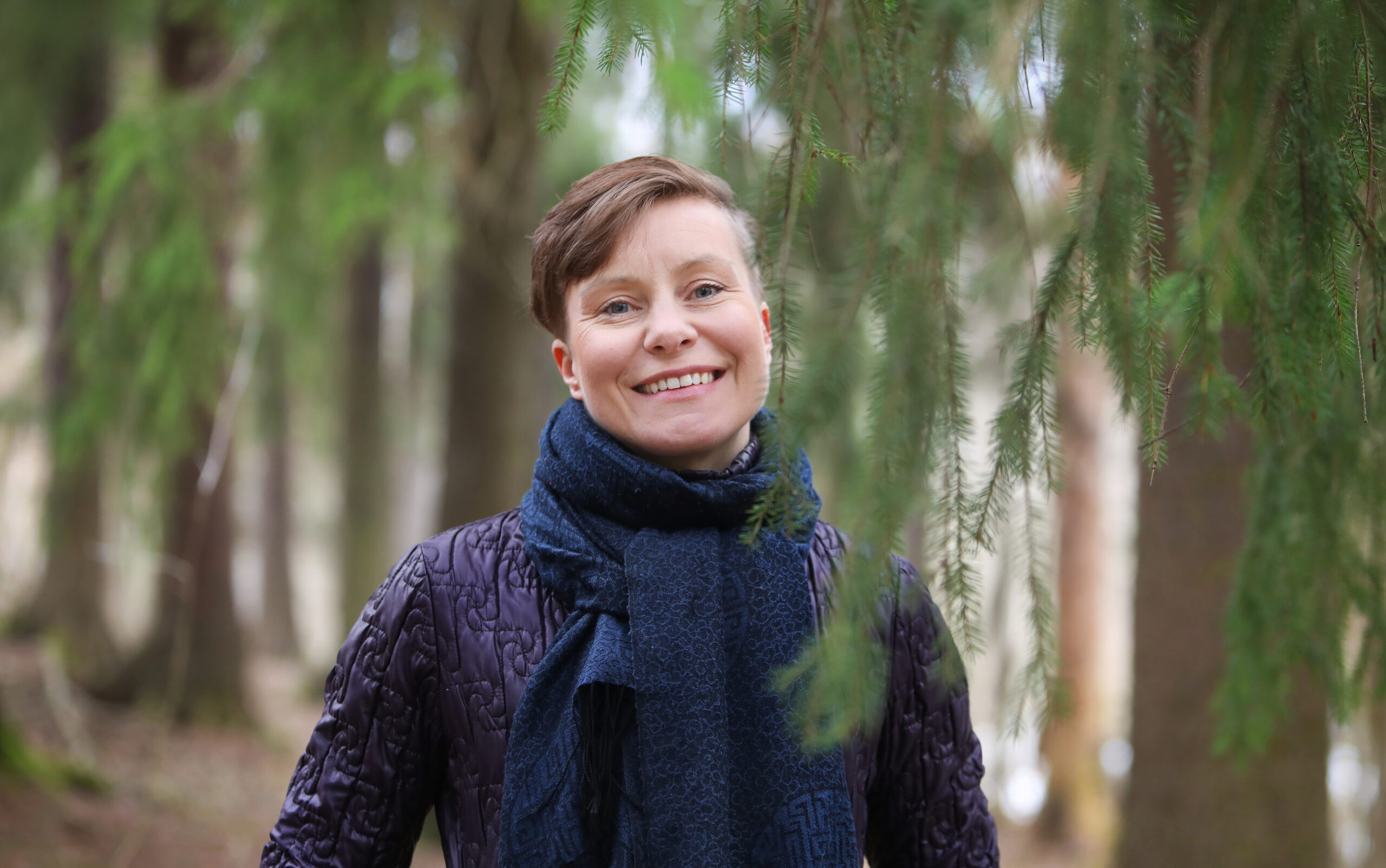
Mari K. Pihlatie
Supersite Lead, Finland
University of Helsinki
Mari Pihlatie is a professor at University of Helsinki, where she studies greenhouse gas exchange between ecosystems and the atmosphere, with a focus on how soils and agricultural landscapes contribute to climate change and mitigation efforts.
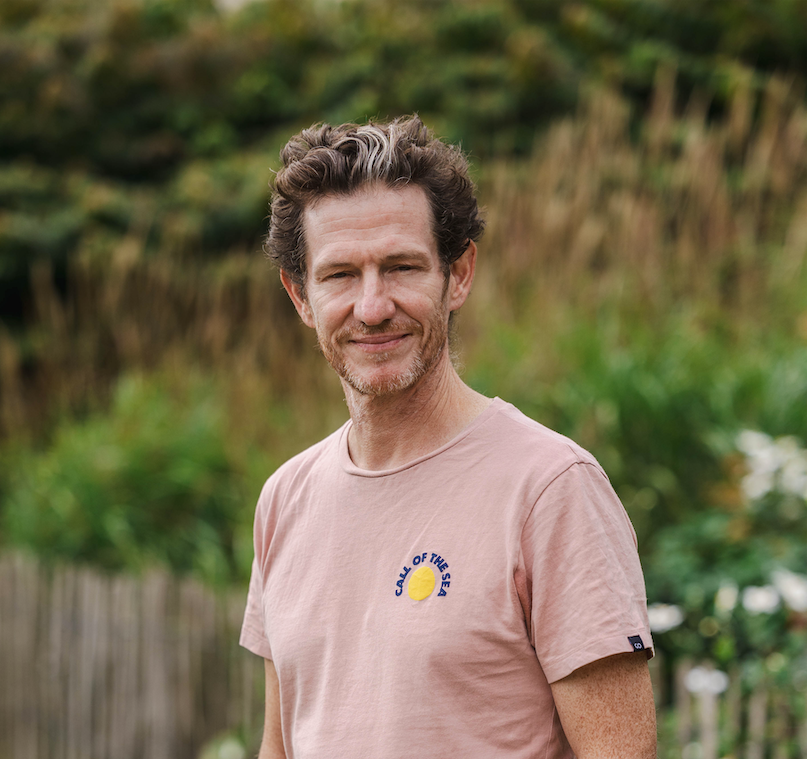
Benjamin Loubet
Supersite Lead, France
INRAE
Benjamin Loubet is a researcher at INRAE, where he studies how greenhouse gases, air pollutants and particulate matter move between agricultural ecosystems and the atmosphere through advanced measurement and modelling approaches.