What is AgNUE?
AgNUE is an international research platform focused on improving how nitrogen dynamics are measured, modelled and managed in agricultural systems.
The platform brings together expertise across field experimentation, data science and modelling to address key uncertainties in nitrogen cycling.
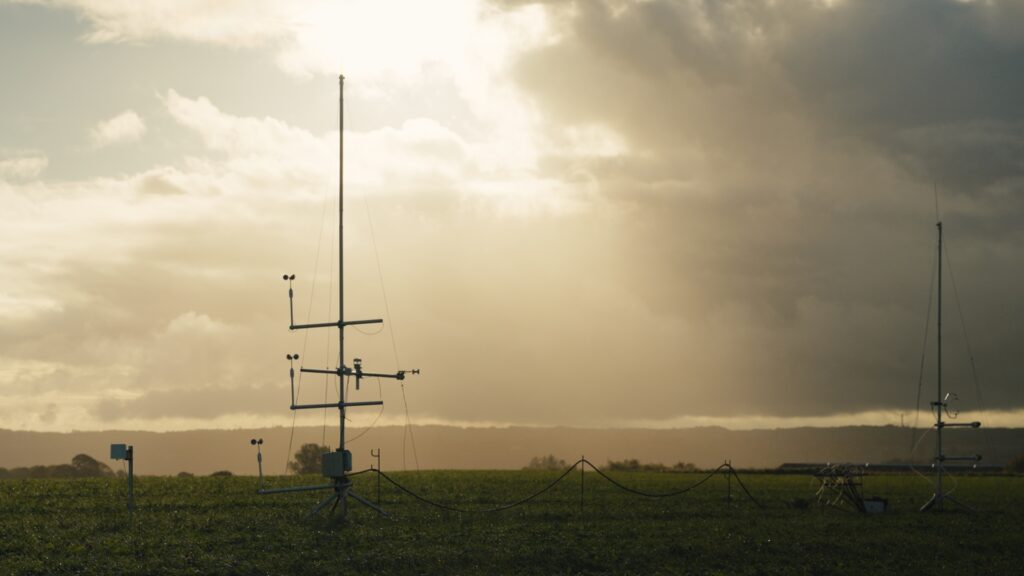
Photo: SmartField
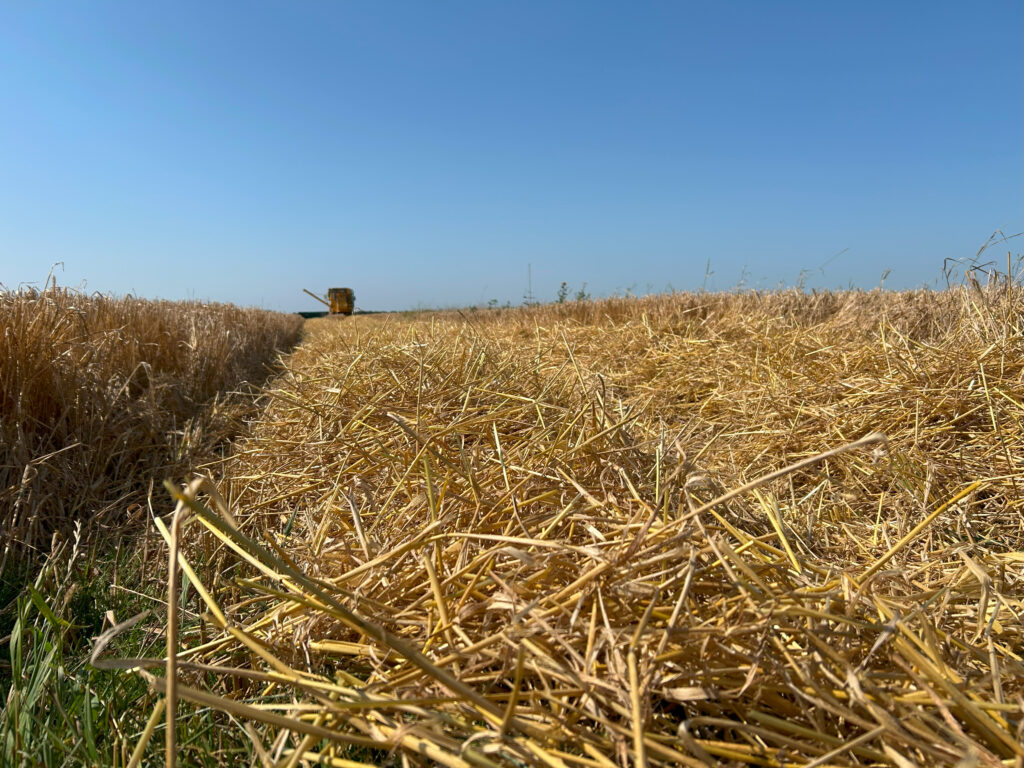
Photo: SmartField
Our goal
The overarching goal of AgNUE is to enhance NUE in agricultural systems and determine the extent to which this can reduce environmental N losses—particularly N₂O emissions and nitrate leaching.
To achieve this, AgNUE will establish a network of experimental sites across contrasting agro-ecological zones, equipped with state-of-the-art instrumentation. This infrastructure will allow the quantification of complete N input–output budgets, providing proof of concept for improved, region-specific management strategies to enhance NUE and reduce losses.
Vision and mission
Vision
Keeping global agroecosystem N balances within planetary boundaries.
Mission
To advance the accuracy of models that predict field-scale N cycling to improve NUE and reduce N losses.
Our supersites
An established SmartField site representing temperate Nordic agriculture. In AgNUE, the site contributes high-quality field data and mechanistic studies to improve understanding of nitrogen dynamics under Danish cropping conditions.
An established Danish SmartField site with temperate continental conditions. The site will support AgNUE with advanced measurements and mechanistic studies linked to nitrogen losses, crop uptake and mitigation options.
Located in southern Bavaria near the foothills of the Alps, this site represents intensively managed Central European cereal rotations on fertile Cambisol soils, including crops such as barley, maize, potato, clover, wheat and rye.
A sandy-soil vegetable cropping site at the Sinderhoeve experimental farm, representing intensive systems with crops such as potato, leek, broccoli, cabbage and, where nitrogen losses and low NUE are key challenges.
A site in southeastern Italy, located in a key durum wheat region. The site represents nitrogen dynamics under erratic rainfall, low soil organic matter and high risks of nitrate leaching, ammonia volatilisation and N₂O emissions.
Located at the SMEAR-Agri station at Viikki Research Farm, this northern European site represents boreal agricultural systems with grassland, spring cereals, legumes and turnip rape rotations on drained soils with relatively high organic carbon.
Built on existing long-term research infrastructure near the Paris agricultural region, this supersite represents intensive arable farming with crops such as wheat, maize, barley, oilseed rape, sugar beet and pea.
Located at La Chimenea Field Station near Madrid, this irrigated Mediterranean site represents horticultural production under low-carbon soils, high pH and extreme temperatures.
A South-East Norwegian site near the Norwegian University of Life Sciences, representing cereal-based systems on drained clay loam soils, with challenges linked to low soil pH, liming needs, drought and irrigation.
One of two North Carolina supersites, this site will represent warm and humid southeastern US agriculture with diverse rotations including maize, soybean, cotton, wheat and cover crops.
A second North Carolina supersite that will represent coastal plain production systems with crops such as maize, soybean, sweet potato, cotton, peanuts and double-cropped wheat–soybean systems.
Located in the heart of the US Corn Belt, this site will represent highly productive maize–soybean systems on fertile Mollisol soils, where tile drainage and nitrogen management are central to understanding nutrient losses.
Scope and Funding
Scope
The platform runs over five years and includes research activities across Europe and the United States.
Funding
AgNUE is funded by the Novo Nordisk Foundation, with additional support from US-based Foundation for Agriculture and Research.