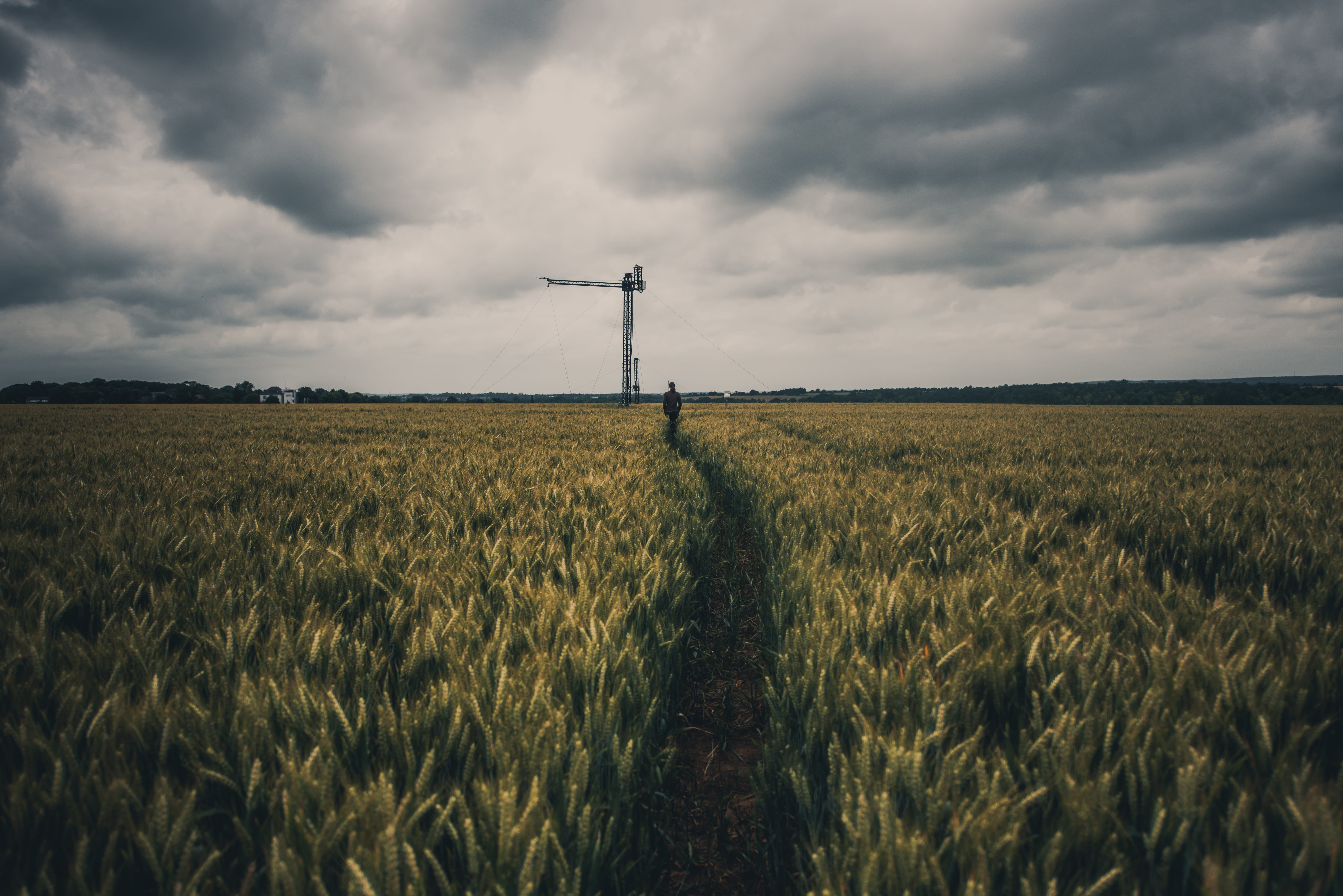
Grignon / Estrées-Mons, France
An upgraded AgNUE supersite building on existing long-term crop and ICOS research infrastructure.

Status:
Existing site upgraded to supersite

Lead institution:
INRAE

Soil type:
Deep silt loam / silty loam luvisol

Supersite lead:
Benjamin Loubet
Why the supersite?
TThe Nortern France supersite will help AgNUE study nitrogen mitigation in intensive arable systems. It combines two complementary sites: FR-Gri and ACBB/FR-EM2, with similar climate, soil and crops. It is representative of deep silt loam soils under oceanic climate with continental influence, and of crop rotations including wheat, maize, barley, oilseed rape, sugar beet, as well as legumes such as pea or alfalfa or used as intercrops. The supersite focuses on the long-term comparison between conventional and low input cropping systems and how it impacts the coupled nitrogen and carbon cycles and the associated losses to the environment.
What this site helps AgNUE compare
Building on existing ICOS and long-term experimental infrastructure, the added value of this supersite lies in three main aspects:
- It will help us understand how mineral nitrogen inputs can be reduced while maintaining crop productivity and limiting greenhouse gas emissions and nitrate leaching. This will be achieved through improved fertilisation management and the increased use of legume-derived nitrogen and organic inputs.
- It builds on a long history of monitoring soil–plant system functioning, particularly within the ICOS infrastructure. This will help assess how the effects of changes in cropping-system management on biogeochemical processes evolve over the long term.
- Finally, the FR-Gri site will serve as a reference for methodological developments and the comparison of measurement methods, particularly those used to quantify ammonia volatilisation.
Intensive arable systems
Represents intensive crop production in northern France, including major crops such as wheat, maize, barley, oilseed rape, sugar beet and pea.
Fertilisation strategies
Supports comparison of conventional and alternative nitrogen management strategies under high-yielding arable conditions.
Legumes and nitrogen replacement
Provides a relevant setting for studying systems where mineral nitrogen inputs are partly replaced by nitrogen from symbiotic fixation.
Long-term infrastructure
Builds on existing ICOS and long-term experimental infrastructure, supporting robust comparison across years and sites.
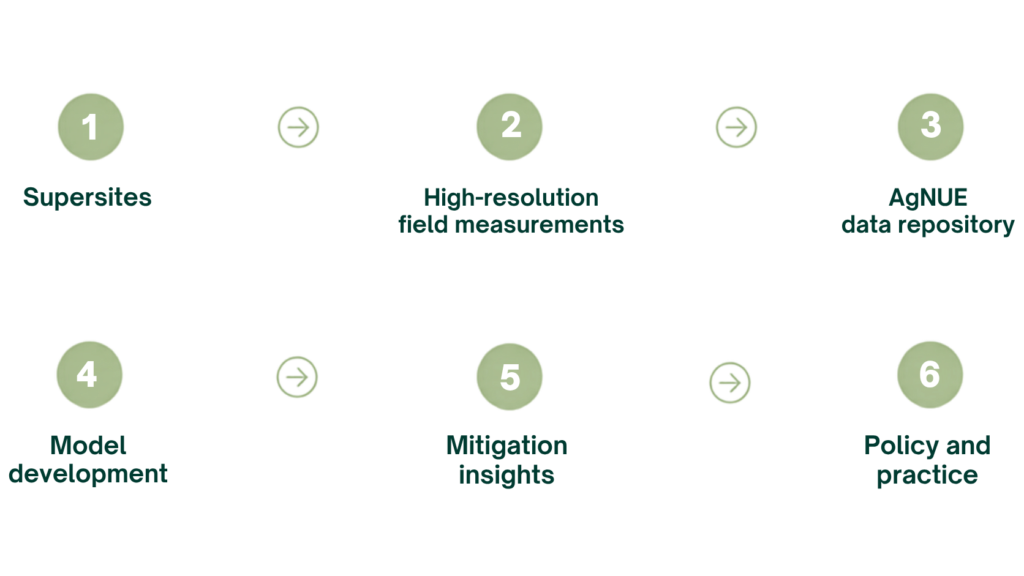
From supersites to impact
A shared pathway across the AgNUE platform.
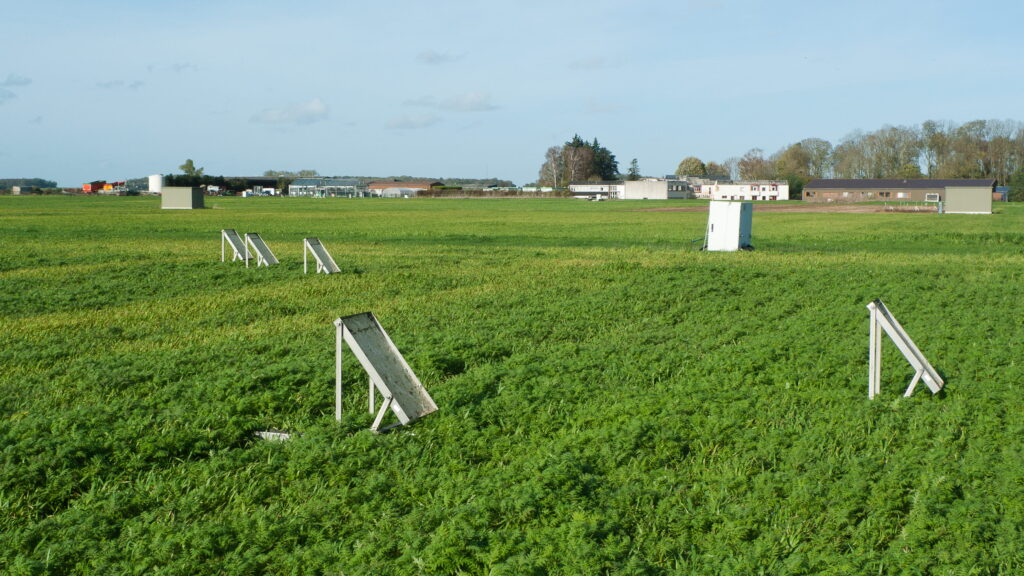
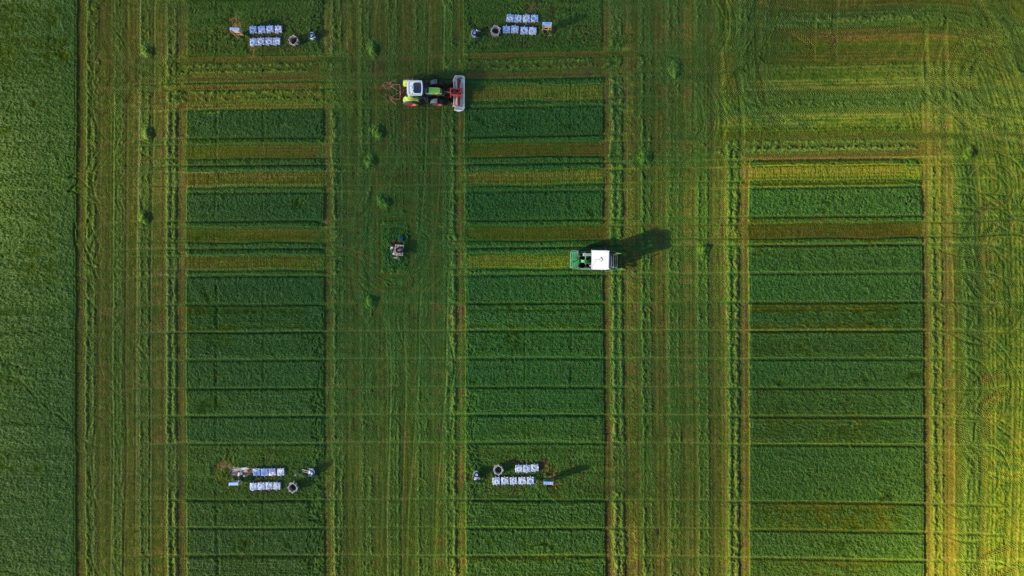
Explore images from the supersite
Dive into a selection of images revealing the agricultural landscapes and research activities at our Sinderhoeve supersite.
Discover our other supersites
There are 12 supersites connected to the AgNUE platform. Explore them here.