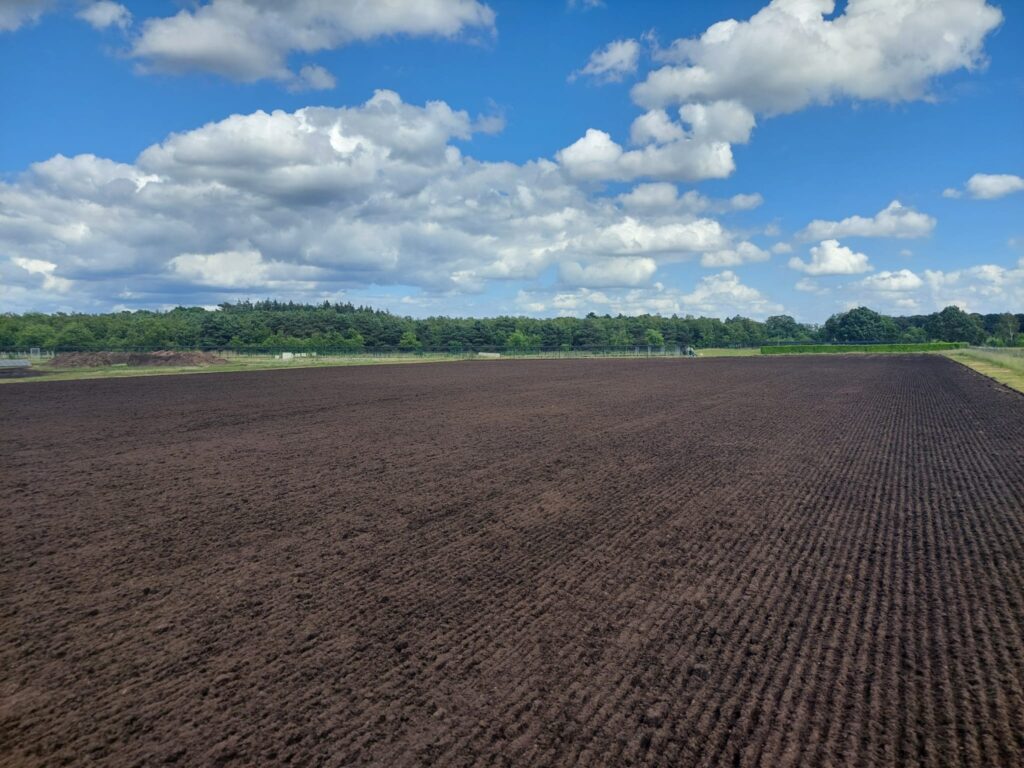
Sinderhoeve, Netherlands
A new AgNUE supersite near Wageningen focused on intensive vegetable cropping systems on sandy soils.

Status:
New complete supersite

Lead institution: Wageningen University & Research

Soil type:
Podzol / sandy soil

Supersite lead:
Gerard Velthof
Why the supersite?
The Dutch supersite will help AgNUE study nitrogen loss mitigation in intensively managed vegetable cropping systems at the Sinderhoeve experimental station. The site is located on a sandy soil under an oceanic climate and will feature crops such as potato, leek and cabbage. Vegetable cropping systems often combine high nitrogen application rates with shallow rooting and nitrogen-rich crop residues, creating a high risk of nitrate leaching and N₂O emissions outside the growing season. The site is particularly relevant for comparing management strategies related to 4R fertilisation, enhanced-efficiency fertilisers, crop residue management and liming.
What this site helps AgNUE compare
This site gives AgNUE a setting to compare nitrogen management and loss mitigation in high-input vegetable production, systems that are relatively understudied. It helps assess how fertiliser rate, timing and placement, enhanced-efficiency fertilisers, crop residues and liming influence nitrogen use efficiency and losses, including the high leaching and N₂O risks associated with the winter period.
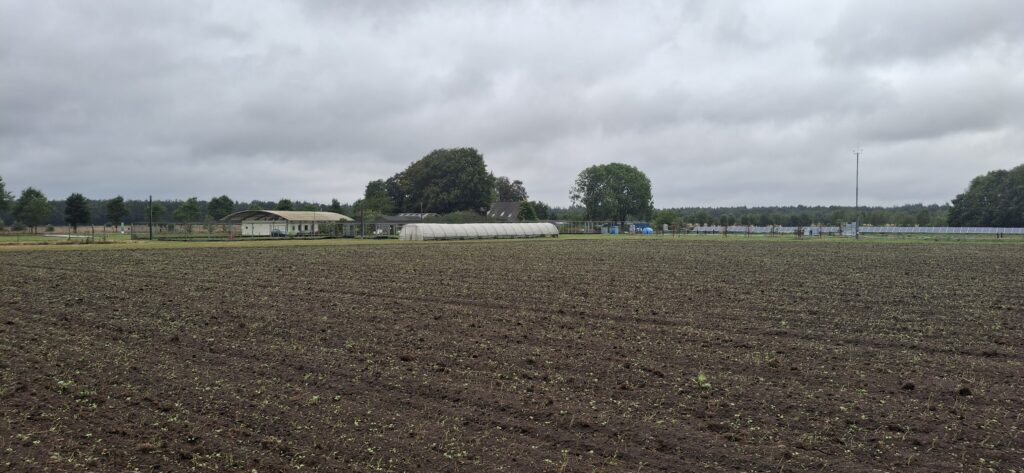
From supersites to impact
A shared pathway across the AgNUE platform.
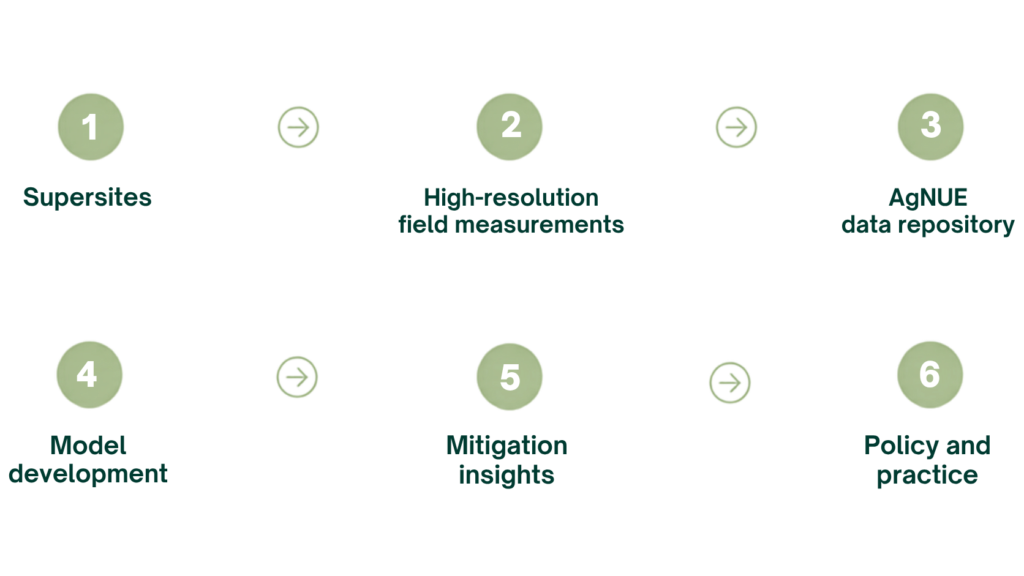
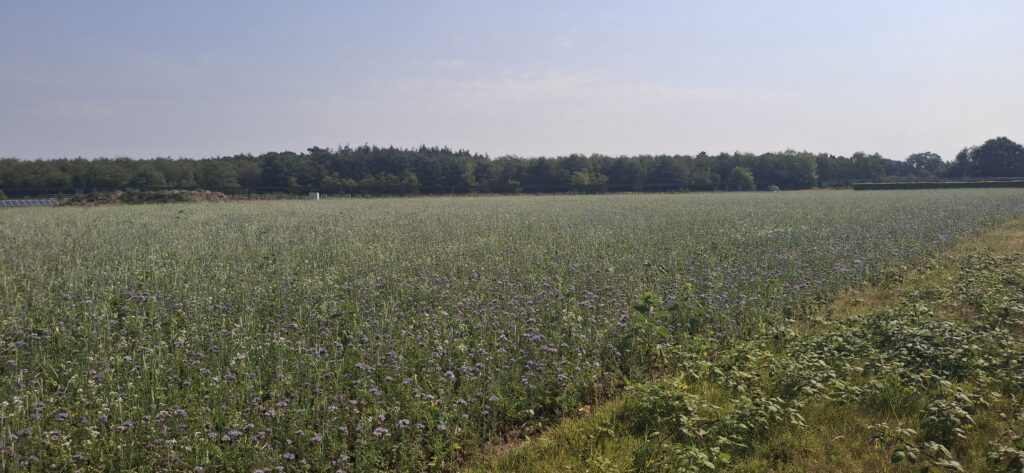
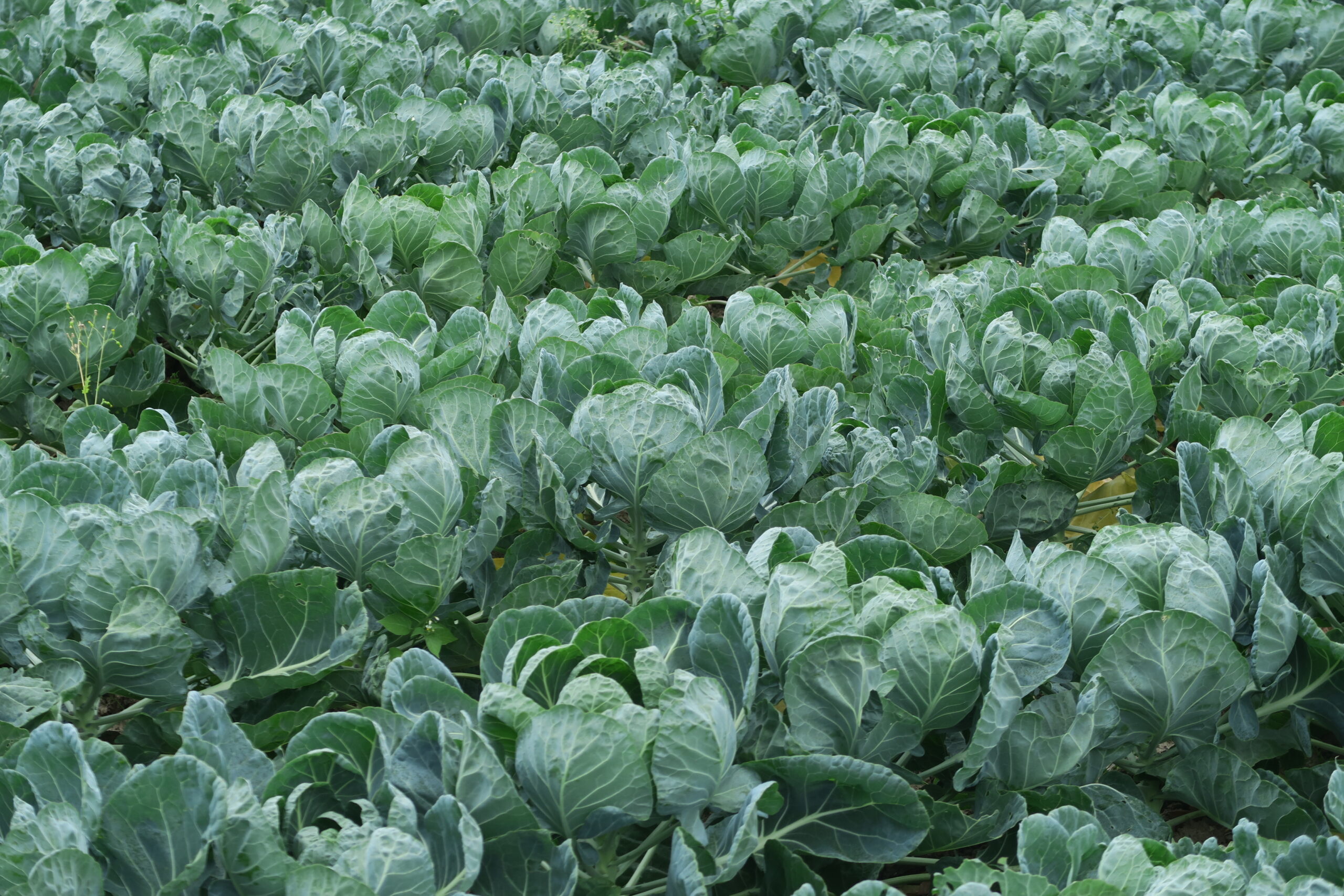
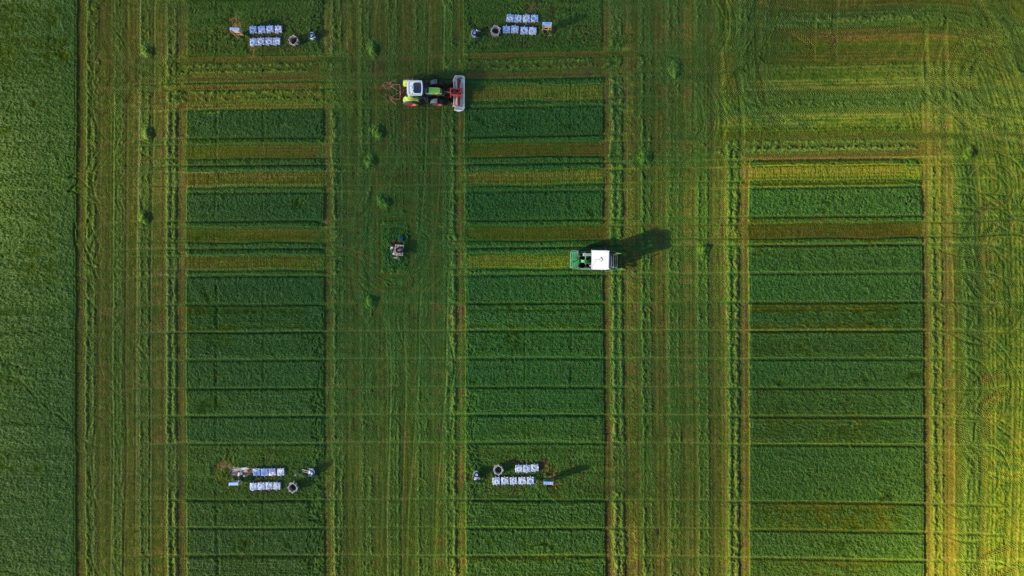
Explore images from the supersite
Dive into a selection of images revealing the agricultural landscapes and research activities at our Sinderhoeve supersite.
Discover our other supersites
There are 12 supersites connected to the AgNUE platform. Explore them here.